Research and writing
Fact-first articles on habit science, data ownership and honest motivation. Written to be cited, with clear definitions, sources and takeaways.

Habit stacking and if-then intentions: the strongest single lever
If you want a new habit to survive, do not lean on motivation. Attach it to something you already do, and decide the when and where in advance. This is the most reliable trick habit science has found.

The 21-day myth: how long habit formation really takes
The 21-day number comes from a plastic surgeon in the 1960s, not from habit science. Here is what the actual research says, and why it matters for how you plan.

Why streaks break habits, and what to do instead
A streak feels like progress until the day you miss one. Then a single slip turns into quitting. Here is the psychology behind that, and the quieter rule that survives real life.

What a miss budget is, and why perfectionism kills habits
A streak punishes you for being human. A miss budget plans for it. Here is the small idea that keeps people going when the perfect version would have quit.

Who owns your habit tracker data
Your check-ins are a quiet record of who you are trying to become. In the age of AI, that record is an asset. Here is why it should belong to you, and what to ask any app before you trust it.
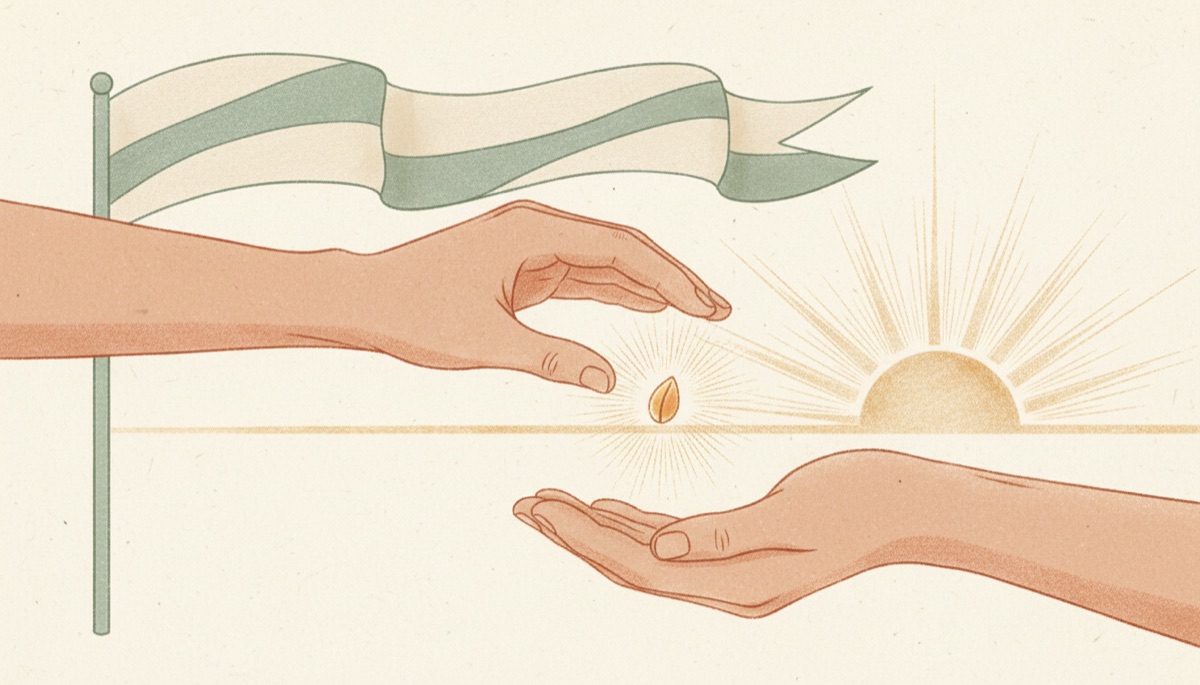
Does giving after a win make discipline stick? Our honest hypothesis
YouSens rests on an idea we cannot yet prove, that turning a personal win into a small act of good makes the habit mean more. Here is the science we lean on, where it runs out, and why we call it a hypothesis.